When embarking on a decking project, choosing the right decking screw is crucial. According to renowned decking expert John Hartman, "The success of your deck often hinges on the quality of your screws." Decking screws come in various sizes and materials, each with specific benefits and drawbacks. A well-chosen screw enhances both durability and aesthetic appeal, while the wrong choice can lead to stress down the line.
Different project requirements call for different types of decking screws. For instance, stainless steel screws offer excellent resistance to corrosion. However, they might be overkill for a project in a sheltered area. On the other hand, coated screws are budget-friendly and suitable for many situations but may not last as long. Evaluating local conditions is key to making an informed decision.
It’s essential to reflect on how each option aligns with your project’s needs. The right decking screw contributes to the overall safety and longevity of your deck. However, there's room for error in any decision-making process. Taking the time to research and consult experts can lead to better outcomes in your projects.
Understanding Different Types of Decking Screws Available in the Market
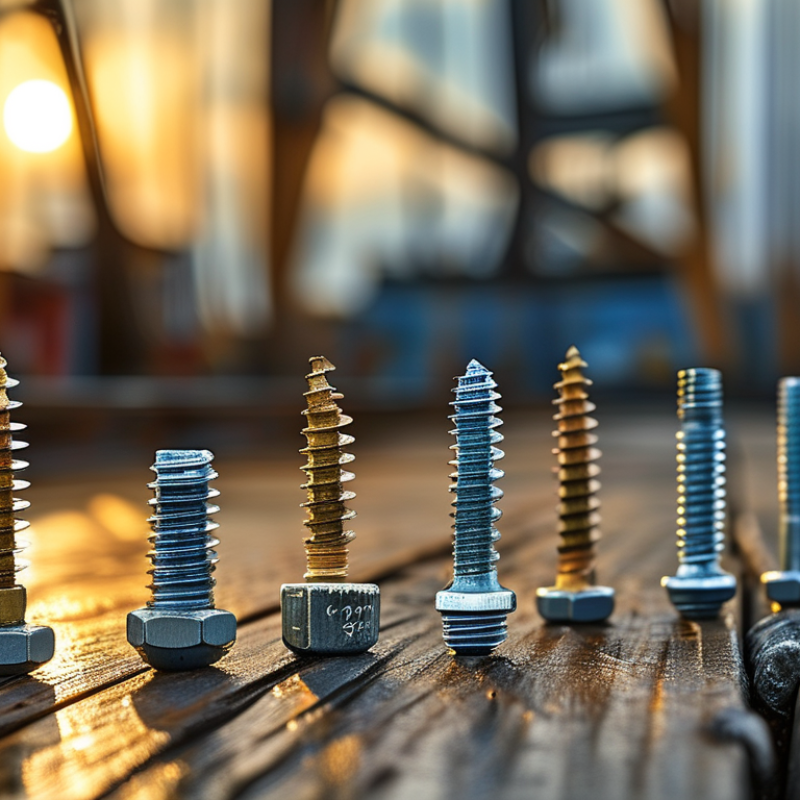
When choosing decking screws, it’s crucial to understand the different types available in the market. The most common ones are made from stainless steel, carbon steel, and coated screws. Stainless steel screws offer the best corrosion resistance, making them ideal for coastal areas. Carbon steel screws, while more affordable, tend to rust over time. Coated screws come with a protective layer, enhancing their durability against the elements.
Another important aspect is the screw design. Some screws have a sharp point for easy penetration, while others have a flat or bugle head for better surface alignment. This can significantly affect the installation process. Additionally, consider the thread type. Coarse threads work well for softwoods, while fine threads are better suited for hardwood. Keep in mind that using the wrong type of screw can lead to structural issues or premature failure of your deck.
Reflect on the specific needs of your project. Will the screws be exposed to harsh weather? Do you need a strong hold? The right decking screw can make a big difference in your project’s outcome. Evaluate your material choice carefully. The right screw enhances both aesthetics and longevity. Failure to prioritize this can lead to costly repairs in the future.
Key Factors to Consider When Selecting Decking Screws for Your Project
Choosing the right decking screws is crucial for any outdoor project. There are key factors to consider that can affect the durability and appearance of your deck. Material type is one of the most significant aspects. Stainless steel screws resist rust and corrosion, ideal for damp environments. Alternatively, coated screws can provide a good balance of cost and performance.
Tip: Always test a few screws on your deck's surface. You want to ensure they complement your chosen materials.
Screw length and gauge also matter. A thicker screw can hold better but may split the wood. Consider the thickness of your decking boards when selecting the gauge. Too long screws can also lead to problems, such as protrusions or cracks.
Tip: Measure twice, and buy once to avoid waste.
Pay attention to threading. Some screws have coarse threads for better grip in softwoods, while fine threads work well for hardwood and composite materials. This specificity will improve your deck's overall integrity.
Tip: Use a sample board to test different screws before committing.
Choosing the Best Decking Screw
This chart showcases the importance level (on a scale of 1 to 10) of different factors to consider when selecting decking screws for your project. Material and corrosion resistance are rated the highest, essential for durability and longevity in outdoor environments.
Assessing Material Compatibility: Wood, Composite, and Metal Decking Screws
When selecting decking screws, material compatibility stands crucial. Wood, composite, and metal each demand specific screw types. Wood screws are typically made from steel with a corrosion-resistant coating. They must grip well to avoid loosening due to moisture changes. According to the American Wood Council, proper fastening ensures lasting stability for wooden decks.
Composite materials have unique requirements. The blend of plastic and wood fibers in composite decking can expand and contract. This means screws should not only resist rust but also allow for movement. The National Association of Home Builders highlights that improper screws can lead to warping.
Metal decking screws provide a different challenge. They need to be compatible with the metal surface to prevent galvanic corrosion. Using stainless steel screws on aluminum frames can be risky. A report from the Metal Decking Industry Association emphasizes how this choice can impact longevity. Deciding on the right type can be tricky. Each material has its requirements that need careful consideration.
2026 How to Choose the Best Decking Screw for Your Project? - Assessing Material Compatibility: Wood, Composite, and Metal Decking Screws
| Screw Type |
Material Compatibility |
Corrosion Resistance |
Recommended Lengths |
Head Type |
| Wood Decking Screws |
Softwood and Hardwood |
High |
1.5" - 3.5" |
Flat or Phillips |
| Composite Decking Screws |
Composite Materials |
Moderate |
2" - 3" |
Square or Star |
| Metal Decking Screws |
Metal and Steel |
Very High |
1" - 2.5" |
Hex or Washer |
| Decking Screws for PVC |
PVC and Vinyl |
High |
2" - 3.5" |
Flat or Bugle |
Importance of Screw Coating and Corrosion Resistance in Decking Screws
When selecting decking screws, the coating and corrosion resistance are critical factors. The environment where the deck is located plays a significant role.
Coastal areas, for example, face more moisture and salt exposure. Using screws with the right coating can prevent premature rusting and enhance longevity.
Consider the type of coating. Stainless steel screws resist corrosion but can be pricier. Coated screws, like ceramic or epoxy, offer good protection at a lower cost. Remember, not all coatings are created equal. Check the manufacturer’s specifications and, if possible, seek user's feedback about their performance over time.
Tips: Always perform a scratch test on screws. It helps assess how well the coating adheres. If you notice the coating easily flakes off, reconsider your choice. Additionally, pair screws with compatible materials; some coatings may react negatively. Lastly, if you're unsure, consult an expert who understands local conditions and materials. Proper guidance can lead to better decision-making.
Choosing the Right Size and Length for Your Decking Screws Application
When selecting decking screws, size and length are crucial. A screw that is too short may not hold securely, while one that is too long can damage your decking material. Consider the thickness of the deck boards. For example, if your boards are 1 inch thick, choosing a screw that is at least 2.5 inches long is generally advisable. This length ensures a strong grip in the framing beneath.
The type of material you are working with also matters. Wood decking requires screws designed for stability and corrosion resistance. Stainless steel or coated screws are often the best choice for outdoor projects. These materials help prevent rust and prolong the life of your deck. It is important to think about your local climate, as certain environments may require additional considerations for durability.
While many may overlook this detail, pilot holes can make a difference too. They can prevent the wood from splitting and ensure a tight fit. Not every project is perfect; mistakes happen. It’s wise to keep a few spare screws handy. That way, if you find a miscalculation, you can quickly adapt without major setbacks. The key is to find the right balance in choosing the size and length of your decking screws for your specific project needs.
FAQS
: Common types are stainless steel, carbon steel, and coated screws. Each has unique properties.
Stainless steel offers excellent corrosion resistance, ideal for coastal environments and harsh weather.
Carbon steel screws are cheaper but prone to rust over time, especially in wet conditions.
The design affects installation ease. Sharp points penetrate better; flat heads help with alignment.
Coarse threads suit softwoods; fine threads are ideal for hardwoods. Mistakes can lead to issues.
Coating protects against rust. It's important to choose a screw with suitable coating for your environment.
Not all coatings are equal. Some may flake off. Always check user feedback about the coating.
Perform a scratch test to see if the coating adheres well. This can prevent future problems.
Consult an expert who understands local materials and conditions for better advice.
Incompatible materials can react negatively. Proper pairing ensures better aesthetics and longevity.
Conclusion
When selecting the best decking screw for your project, it’s essential to understand the various types available on the market. Different materials such as wood, composite, and metal require screws specifically designed for compatibility, ensuring durability and performance. Key factors to consider include the screw's coating and corrosion resistance, which play a crucial role in maintaining the integrity of your deck over time.
Additionally, choosing the right size and length for your decking screw is vital for optimal application. Ensuring that the screws are appropriate for the thickness of the decking material will enhance stability and longevity. By evaluating these critical elements, you can make an informed decision and select the most suitable decking screw to meet your project needs effectively.